

Confused between nebulizer vs inhaler Learn which device is better for asthma COPD and home respiratory care with expert backed insights.
Medically reviewed by respiratory care expert. This article is for informational purposes only.
Breathing problems rarely appear suddenly. They build over time through persistent cough, wheezing, or shortness of breath. For patients managing asthma or chronic obstructive pulmonary disease, choosing the right device can directly impact treatment outcomes.
Understanding the Growing Burden of Respiratory Diseases
Respiratory diseases are increasing rapidly due to pollution, smoking, and lifestyle changes. According to the World Health Organization, over 545 million people globally suffer from chronic respiratory diseases, including asthma and COPD.
World Health Organization Respiratory Diseases
COPD alone accounts for more than 3.2 million deaths every year, making it one of the leading causes of mortality worldwide.
WHO Global Health Estimates
This rising burden makes effective home respiratory care essential.
For reliable respiratory care solutions in Grorakhpur, explore Tulsmed.com
Related: Asthma Management Guide
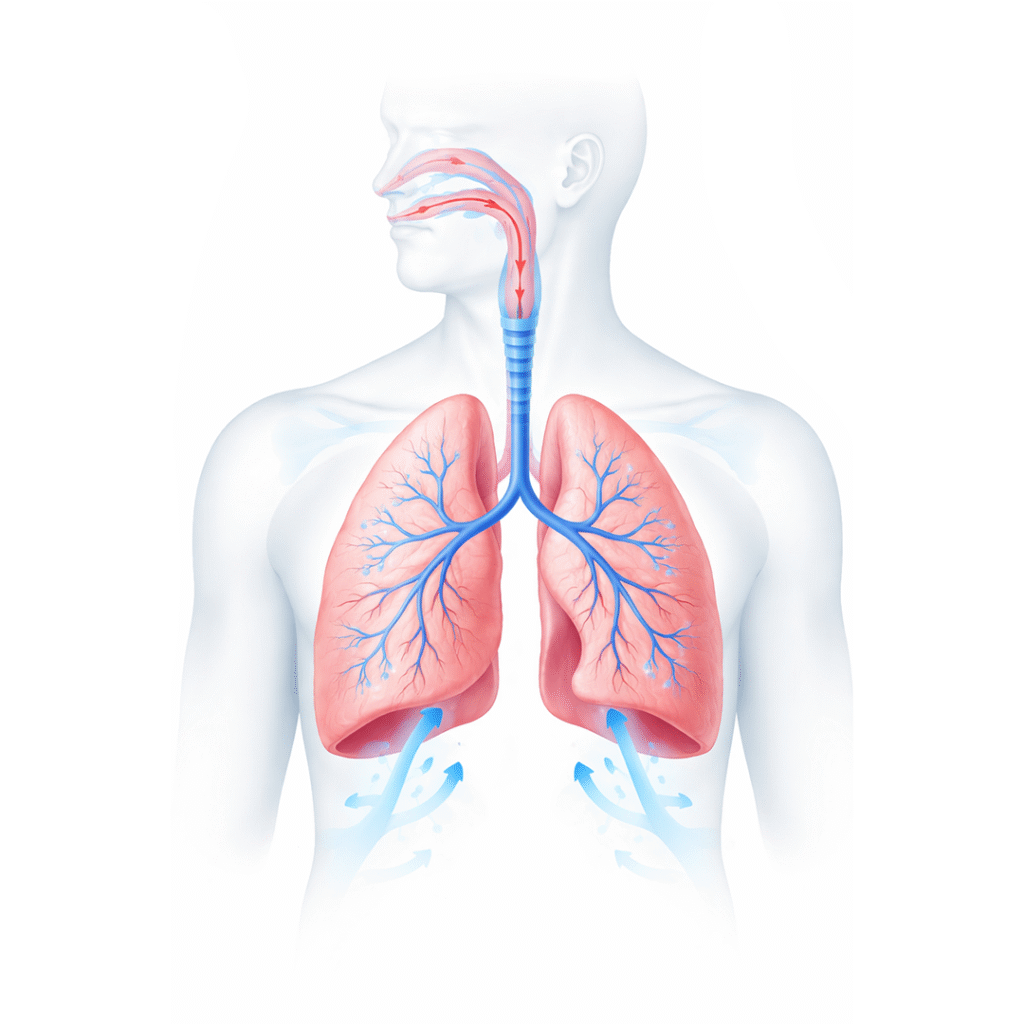
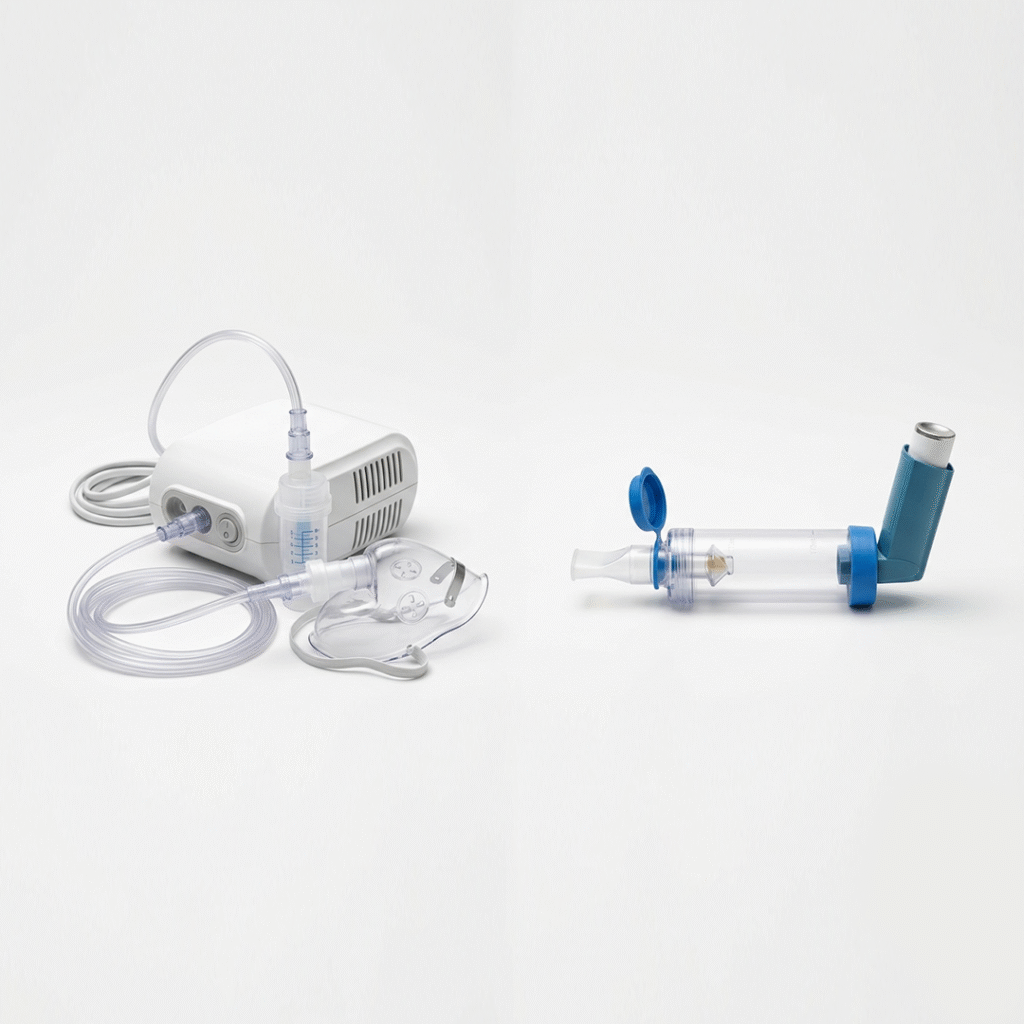
A nebulizer converts liquid medication into a fine mist that is inhaled slowly through a mask or mouthpiece. It does not require coordination and allows continuous drug delivery. An inhaler delivers a precise dose of medication in a quick burst. It requires proper timing and inhalation technique to ensure the medicine reaches the lungs. Clinical research shows that both devices can provide similar outcomes when used correctly, but real world usage often differs due to technique errors.
| Factor | Nebulizer | Inhaler |
| Ease of Use | Very easy no coordination required | Requires correct technique |
| Best For | Severe asthma COPD elderly patients | Mild to moderate asthma |
| Portability | Less portable | Highly portable |
| Drug Delivery | Continuous mist ensures deeper reach | Quick burst may vary with usage |
| Time Required | 10 to 15 minutes | Few seconds |
Research indicates that more than 70 percent of patients use inhalers incorrectly, which reduces treatment effectiveness significantly.
Study Source
This highlights a critical gap between treatment availability and treatment effectiveness.
A nebulizer is recommended when consistent and deep medication delivery is required.
Inhalers are widely used for daily respiratory management.
They are convenient, portable, and cost effective for routine care.
Related: Lung Health Tips
While clinical outcomes may be similar in controlled settings, real life usage shows clear differences.
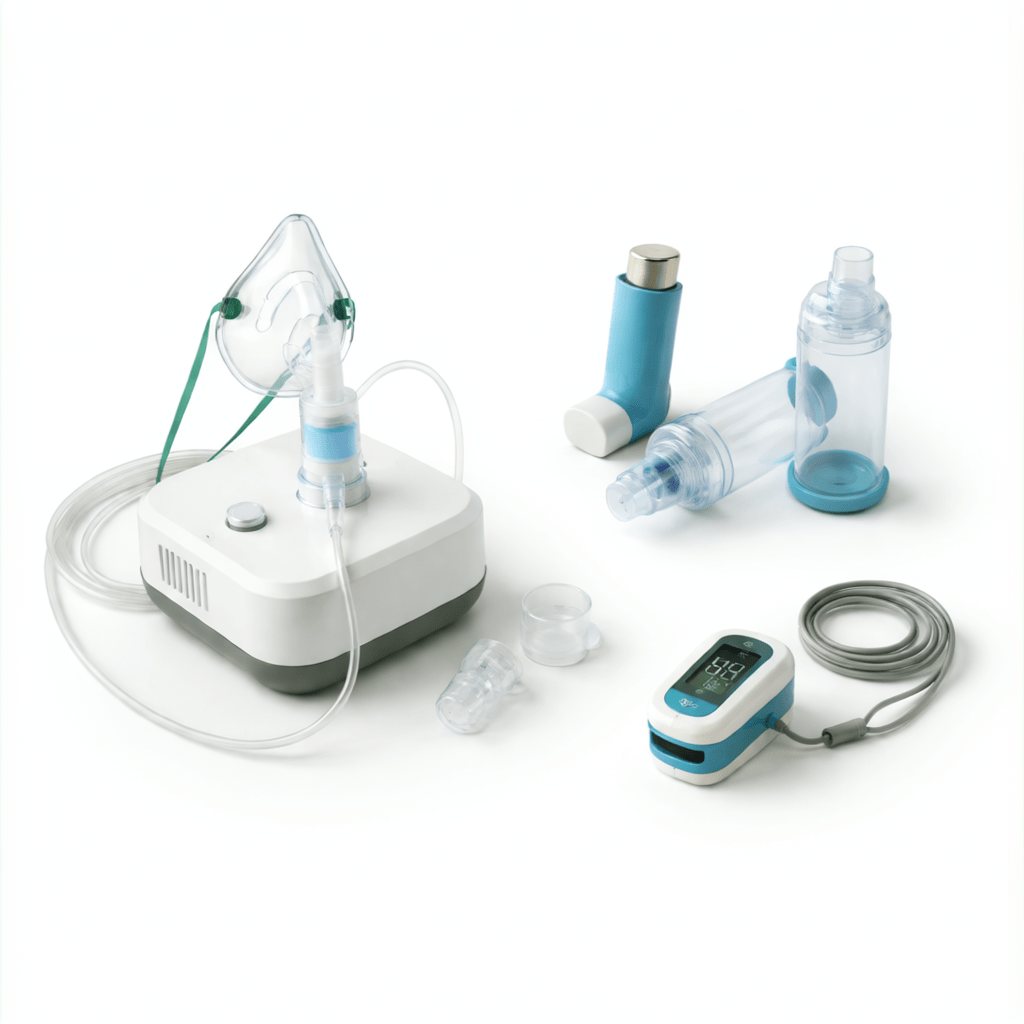
Managing respiratory health requires the right combination of devices.
– Nebulizer machine for deep lung medication delivery
– Metered dose inhaler for quick and portable treatment
– Spacer devices to improve inhaler efficiency
– Pulse oximeter to monitor oxygen levels
The choice depends on three key factors
Patients who can use inhalers properly may not need a nebulizer
Patients with severe symptoms or poor technique benefit more from nebulizers

Seek medical attention if
– Breathlessness increases suddenly
– Inhalers stop providing relief
– You experience frequent asthma attacks
– Oxygen levels drop below normal
Early intervention improves outcomes and prevents complications.
Which is better nebulizer or inhaler
Both are effective but depend on usage. Nebulizers are better for severe conditions while inhalers are suitable for daily management.
Can a nebulizer replace an inhaler
In some cases yes especially when inhaler technique is poor or during severe symptoms.
Is nebulizer safe for daily use
Yes when prescribed by a doctor and used correctly.
Do inhalers work faster than nebulizers
Inhalers act quickly but require proper technique. Nebulizers take longer but ensure consistent delivery.
Respiratory care has moved beyond hospitals into everyday life. With millions affected globally, choosing the right device can directly impact quality of life.
The goal is not to choose between a nebulizer and an inhaler. The goal is to choose what works best for the patient.
World Health Organization Respiratory Diseases
For personalized respiratory care and advanced treatment support, visit Tulsmed.