

A persistent cough is often ignored and attributed to seasonal changes, pollution, or a minor infection. However, in some cases, it may indicate a serious underlying condition such as tuberculosis.
Tuberculosis remains one of the most widespread infectious diseases globally. According to the World Health Organization, an estimated 10.7 million people fell ill with TB in 2024, making it a major global health concern. Additionally, 1.23 million deaths were recorded, highlighting the severity of the disease.India continues to carry a significant share of this burden, being among the top countries contributing to global TB cases.
Source:
World Health Organization TB Report
https://www.who.int/teams/global-tuberculosis-and-lung-health/tb-reports
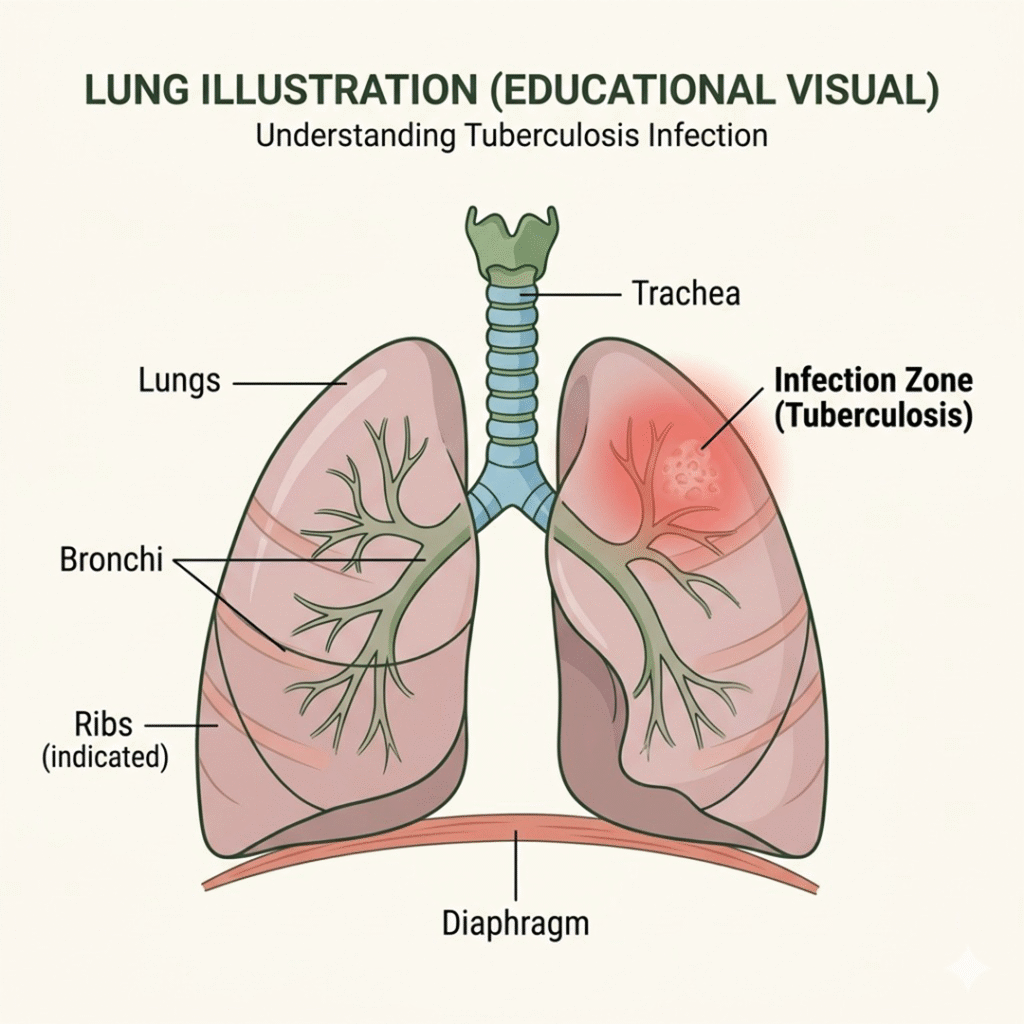
Tuberculosis is a bacterial infection that primarily affects the lungs but can also spread to other parts of the body. It spreads through airborne droplets when an infected person coughs or sneezes.
Despite medical advancements, early detection remains a challenge. Globally, around 2.4 million TB cases remain undiagnosed or unreported each year, which increases the risk of transmission.
Source:
Global Tuberculosis Report 2025 Factsheet
Global tuberculosis report 2025
Recognizing early symptoms is essential for timely diagnosis and treatment.
A cough lasting more than two to three weeks is one of the most common early signs of tuberculosis. It may begin mildly but can worsen over time.
Persistent tiredness without a clear reason may indicate an underlying infection.
Sudden weight loss without lifestyle changes is a common but often ignored symptom.
Low grade fever, especially in the evening, along with night sweats, is frequently associated with TB.
As the infection progresses, it may impact lung function, leading to breathing discomfort.
The early symptoms of tuberculosis often resemble common illnesses such as viral infections or seasonal flu. This similarity leads to delayed diagnosis.
Recent reports from India indicate that large scale screening programs continue to identify thousands of suspected TB cases, suggesting that many individuals remain undiagnosed during early stages.
Delayed diagnosis not only worsens the condition but also increases the risk of spreading infection to others.
Source:
TB detection and screening updates in India
https://timesofindia.indiatimes.com
While tuberculosis requires medical diagnosis, certain devices can help monitor early warning signs.
Measures oxygen saturation levels in the blood. Lower levels may indicate respiratory issues.
Helps track persistent low grade fever patterns.
Evaluates lung function and breathing capacity, useful for individuals with chronic cough.
Wearable devices help monitor heart rate, sleep, and fatigue patterns, providing early signals of health decline.
Healthcare monitoring solutions and guidance can be accessed through Tulsmed for proactive health management.
Explore healthcare monitoring and support services here:
Website:
https://tulsmed.com/

Consult a healthcare professional if you experience:
Persistent cough lasting more than two to three weeks
Unexplained fatigue or weight loss
Recurring fever or night sweats
Chest discomfort or breathing difficulty
Early consultation allows timely diagnosis and reduces complications.
Tuberculosis often develops gradually with symptoms that are easy to overlook. However, the impact can be severe if ignored.
With millions of cases reported globally each year and a significant number still undiagnosed, awareness remains essential.
Recognizing early signs and seeking timely medical attention can make a critical difference in outcomes and help prevent the spread of infection.
For genuine healthcare devices and advanced treatment support, visit, Tulsyan Healthcare .
Source:
World Health Organization TB Report
https://www.who.int/teams/global-tuberculosis-and-lung-health/tb-reports