
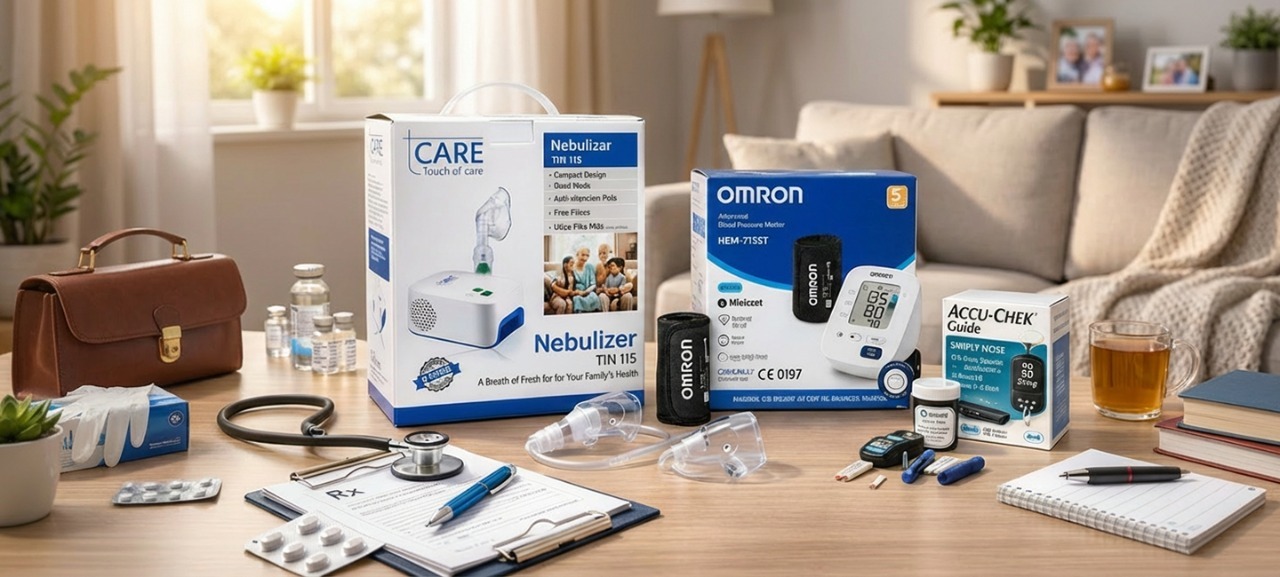
Chronic illness no longer means constant trips to the clinic. In 2026, managing long term health conditions from home is not just possible, it is expected. Connected devices, smarter monitoring systems, and better patient education have transformed the living room into an extension of the exam room.
According to the Centers for Disease Control and Prevention, six in ten adults in the United States live with at least one chronic disease. That reality makes daily monitoring more important than ever. When done correctly, home diagnostics can help detect warning signs early, prevent complications, and support more precise treatment decisions.
If you are a patient or caregiver, this guide walks you through the essential medical devices that support safe and effective chronic care at home.
The goal of home monitoring is not simply collecting numbers. It is recognizing patterns. Blood pressure trends, glucose fluctuations, oxygen levels, and weight changes all tell a story. When tracked consistently, these data points allow physicians to adjust medication, diet, and lifestyle decisions before minor changes turn into emergencies.
Home monitoring encourages independence while strengthening collaboration with your care team.
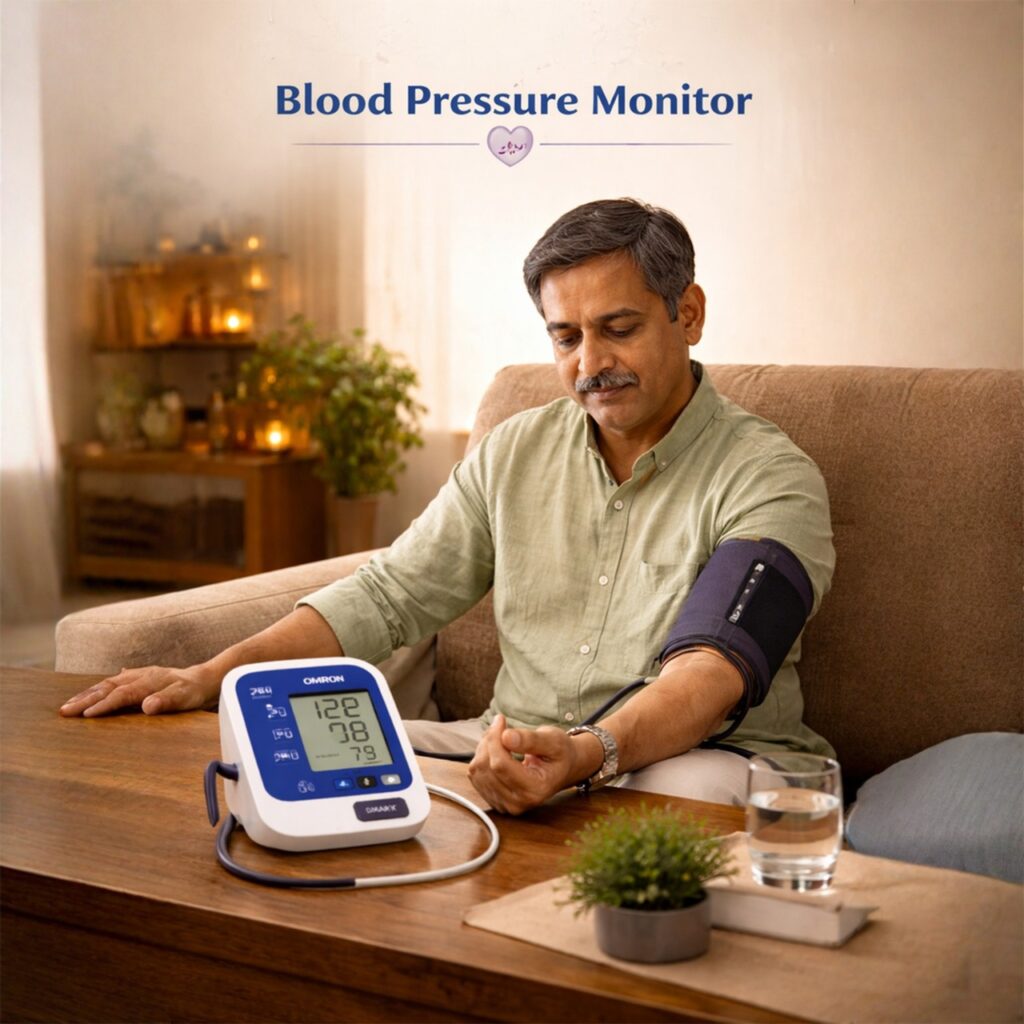
High blood pressure is often called the silent killer because it rarely causes noticeable symptoms. A reliable monitor is one of the most important tools for anyone managing heart disease, kidney disease, or diabetes.
For accurate tracking, many clinicians recommend checking blood pressure twice daily, once in the morning and once in the evening, for at least one week to establish a reliable average. See the American Heart Association’s guidelines for best practices.
For individuals living with diabetes, blood glucose tracking is essential. The right device depends on treatment plan, lifestyle, and physician guidance. Learn more from the American Diabetes Association (ADA).
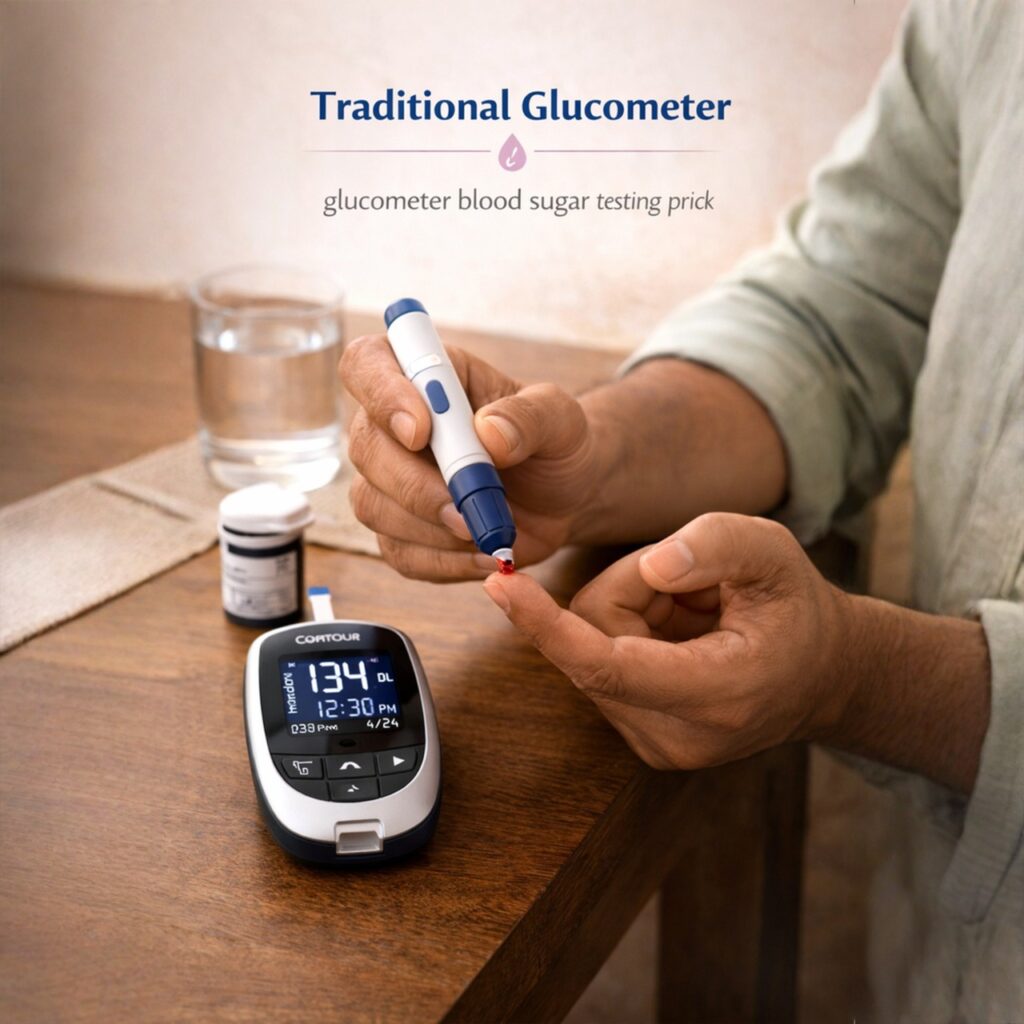
A glucometer provides spot checks using a finger stick blood sample. It is reliable, affordable, and widely used.
Common mistakes include using expired test strips, testing without washing hands, improper strip storage, and not calibrating when required.
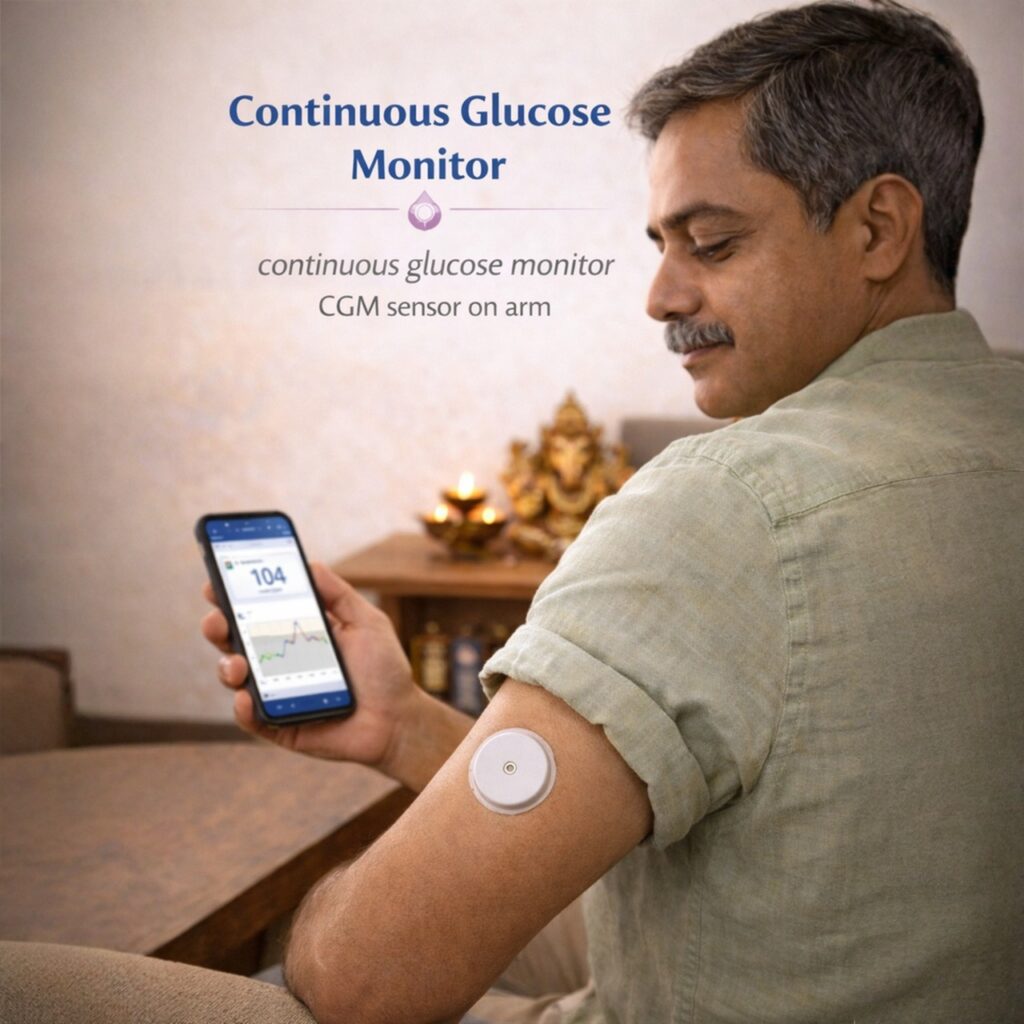
A continuous glucose monitor uses a small sensor placed under the skin to provide glucose readings throughout the day and night. This allows users to see trends and receive alerts when levels rise or fall rapidly.
Monitoring frequency varies depending on medication use, insulin therapy, and physician recommendations. Some individuals with type two diabetes may test periodically, while insulin users often require more frequent or continuous monitoring.
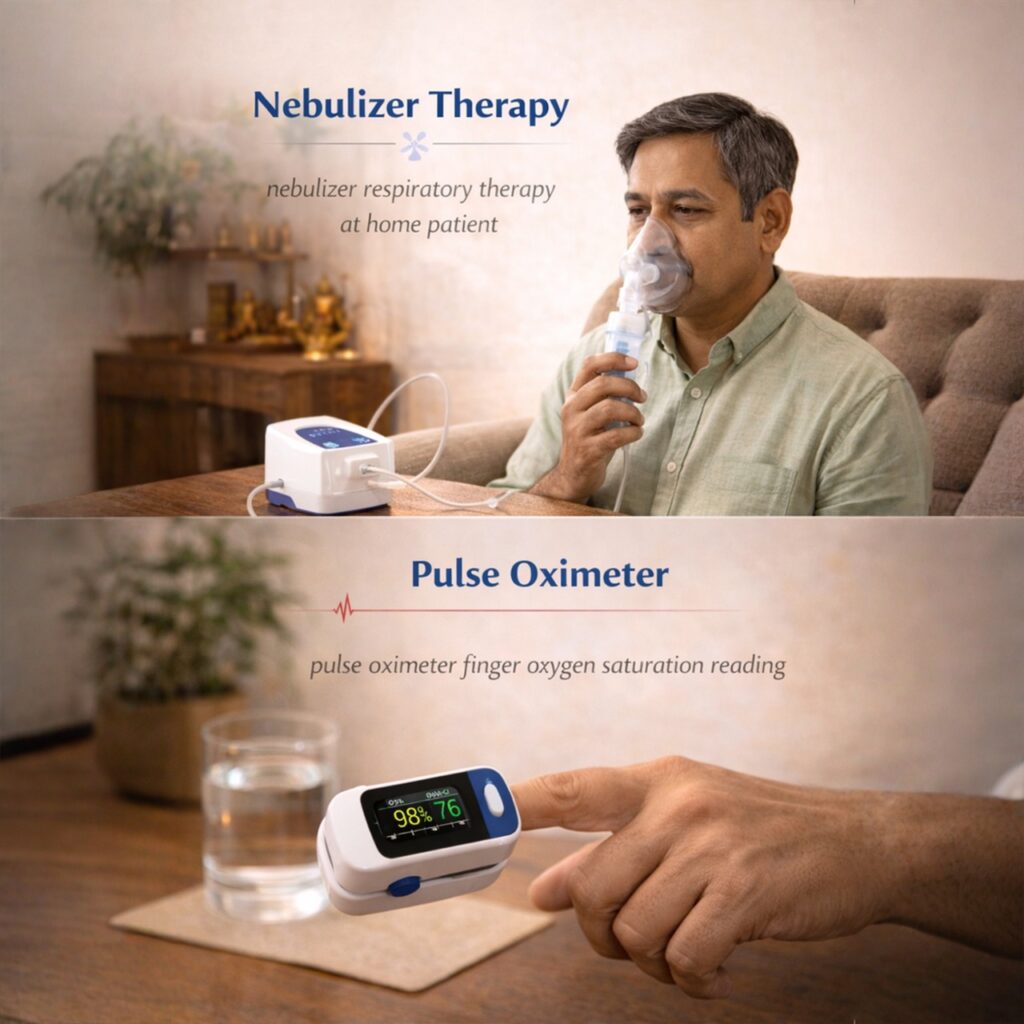
For patients with asthma, chronic obstructive pulmonary disease, cystic fibrosis, or other respiratory conditions, proper medication delivery is critical. Check NIH resources on COPD management.
Nebulizers convert liquid medication into a fine mist that is inhaled through a mask or mouthpiece. They are particularly helpful for individuals who struggle with inhaler coordination.
There are two primary types: mesh nebulizers which are portable and quiet, and jet nebulizers which are powerful and suited for regular home use.
A pulse oximeter measures oxygen saturation in the blood. This small device clips onto a fingertip and provides quick readings. It is especially useful during respiratory infections or flare ups.
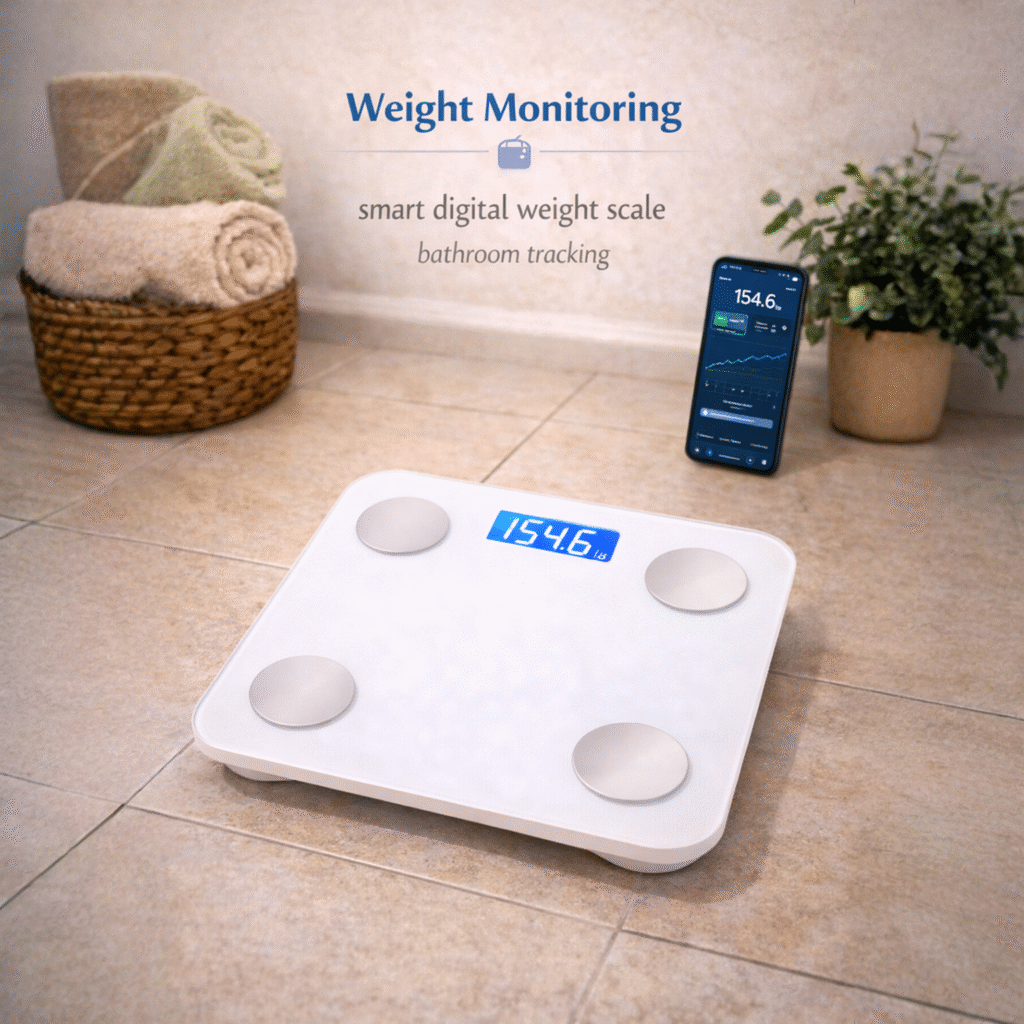
Sudden weight gain can signal fluid retention, particularly in individuals with heart failure. A smart scale that tracks daily weight trends can help identify early warning signs. Refer to heart failure self-care tips from Mayo Clinic.
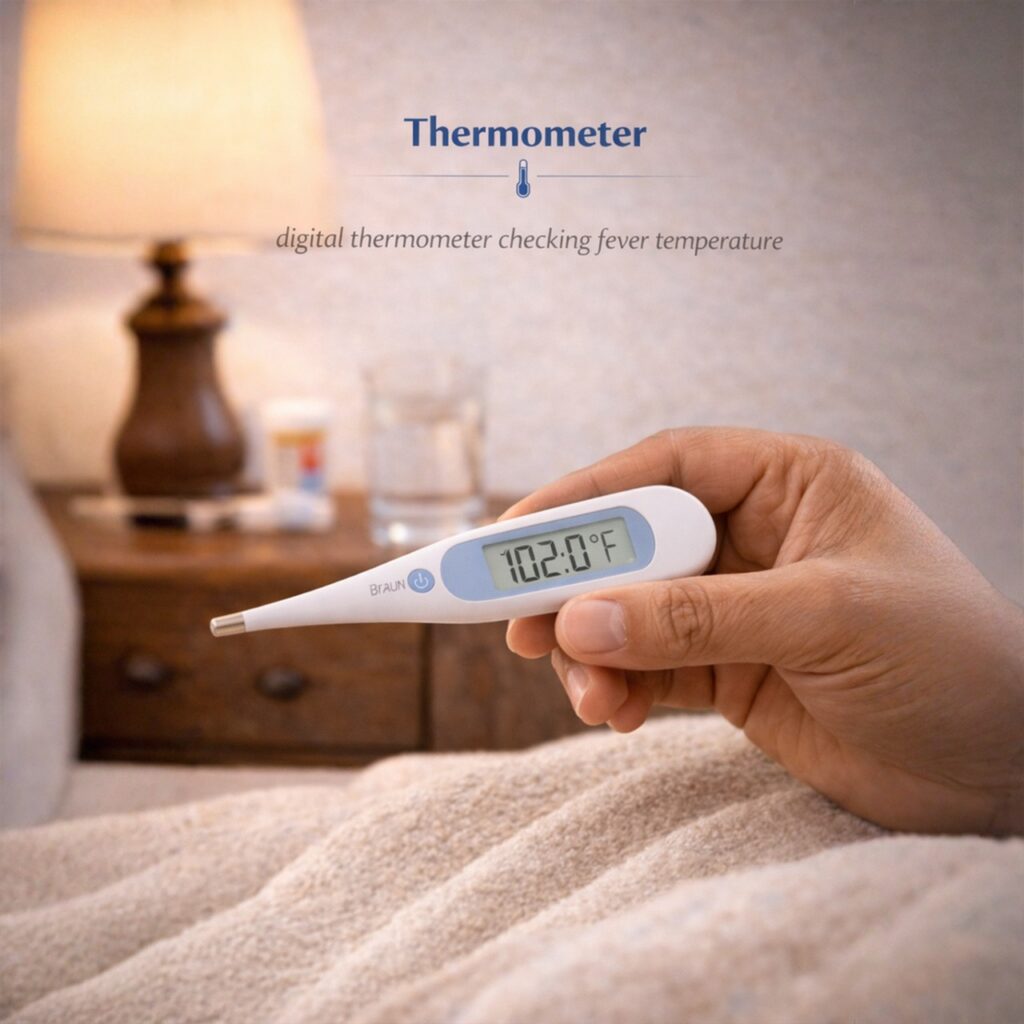
A reliable digital thermometer remains a simple yet essential tool. Fever can indicate infection or inflammatory response. Explore CDC fever guidelines.
Investing in home diagnostic equipment is an investment in confidence and control. These tools do not replace your physician, but they strengthen the partnership between you and your care team.
When used correctly, consistent monitoring allows earlier intervention, more personalized treatment adjustments, and greater peace of mind.